Semarang, July 16th 2026
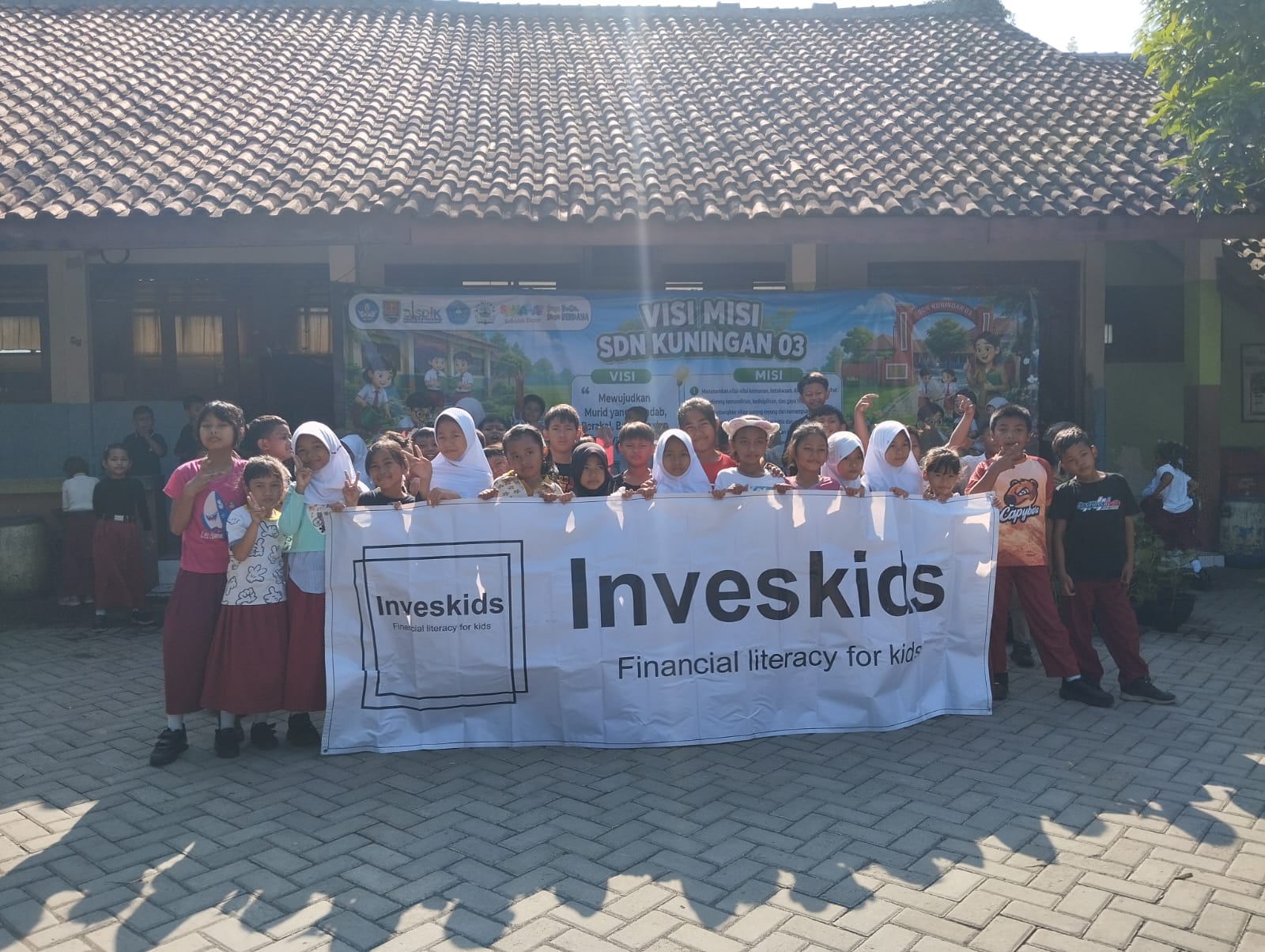
Inveskids recently organized an educational environmental program aimed at fostering environmental responsibility among students through hands on learning activities. The session combined practical knowledge of plant cultivation with sustainable waste management practices, encouraging students to become active participants in protecting the environment.
During the program, students took part in a seedling planting workshop, where they learned the proper techniques for planting and nurturing young plants. This activity emphasized the importance of increasing green spaces, preserving biodiversity, and contributing to a healthier ecosystem through simple yet meaningful actions.
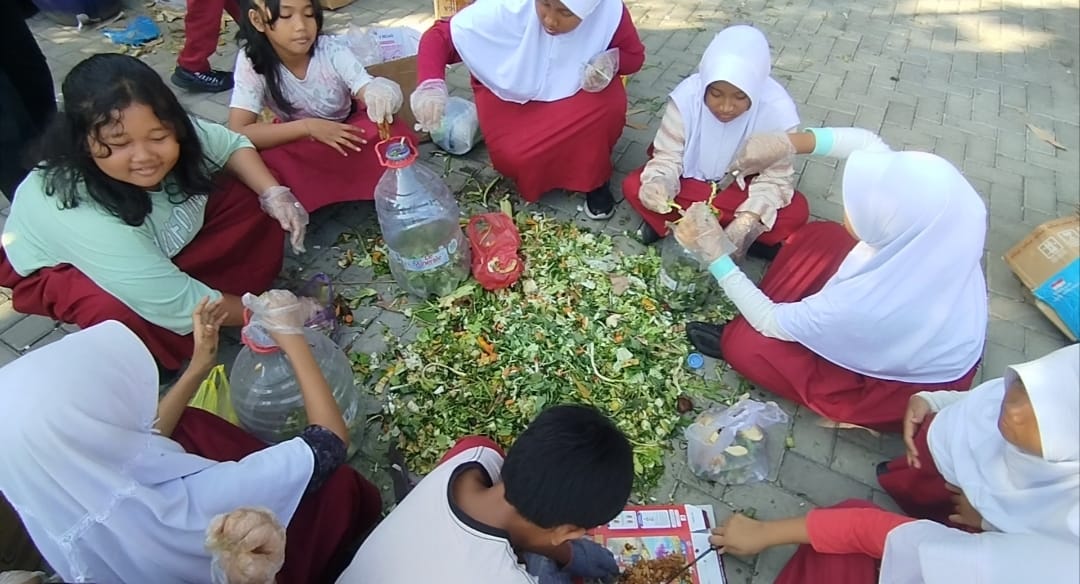
In addition to planting activities, the students were introduced to innovative ways of utilizing food waste and plastic waste. Organic food waste was transformed into compost and eco-enzyme, demonstrating how biodegradable materials can be converted into valuable natural products that improve soil quality and reduce household waste. Meanwhile, discarded plastic containers were creatively repurposed into plant pots, highlighting the significance of recycling and reusing materials to minimize plastic pollution.
The program was designed not only to provide scientific knowledge but also to instill environmental values and sustainable habits from an early age. Through direct participation, students gained practical experience in waste reduction, resource conservation, and environmentally friendly gardening practices.
By integrating environmental education with interactive activities, Inveskids aims to inspire students to adopt sustainable lifestyles and develop a deeper sense of responsibility toward nature. The initiative reflects Inveskids’s commitment to nurturing a generation that understands the importance of environmental stewardship and is equipped to contribute positively to a more sustainable future. Overall, this learning session served as a valuable opportunity for students to recognize that small individual actions such as: planting trees, recycling plastic, and converting organic waste into useful products, it can collectively make a significant impact on environmental conservation.